On Radio Nacional de España’s Marca España programme, journalist Manuel Moraga talks to Miguel Ángel Torroba, director of Argraf in Catalonia and of Strategy and Transformation at the Argraf Group, and Javier Euba, co-founder and creative director of the Moruba studio. Together, they explore how the Spanish printing industry, led by companies such as Argraf—with more than 2.5 billion packages dressed per year—has become an international benchmark in food design and labelling, especially in the world of wine. This interview reveals the secrets behind a strategic alliance between cutting-edge technology, craftsmanship and creativity that successfully projects the Marca España brand on global shelves.
From family printing business to international benchmark
The interview reviews the origins of Grupo Argraf in 1939, with the first printing press founded by the family’s grandfather in La Rioja, initially dedicated to commercial printing. In 1978, Argraf was born as such, already focused entirely on labels for wine and food, a niche that over time the company has expanded from La Rioja to the whole of Spain.
Today, the group is one of Europe’s largest food label printing companies and the leader in wine labels in Spain, with headquarters in Oyón (Álava) and Rubí (Barcelona), more than 2.5 billion packages labelled per year and a turnover of 30 million euros. This evolution illustrates how a family business, supported by industrial vision and specialisation, can become a key player in the international promotion of Spanish products.
Cutting-edge technology and craftsmanship in graphic arts
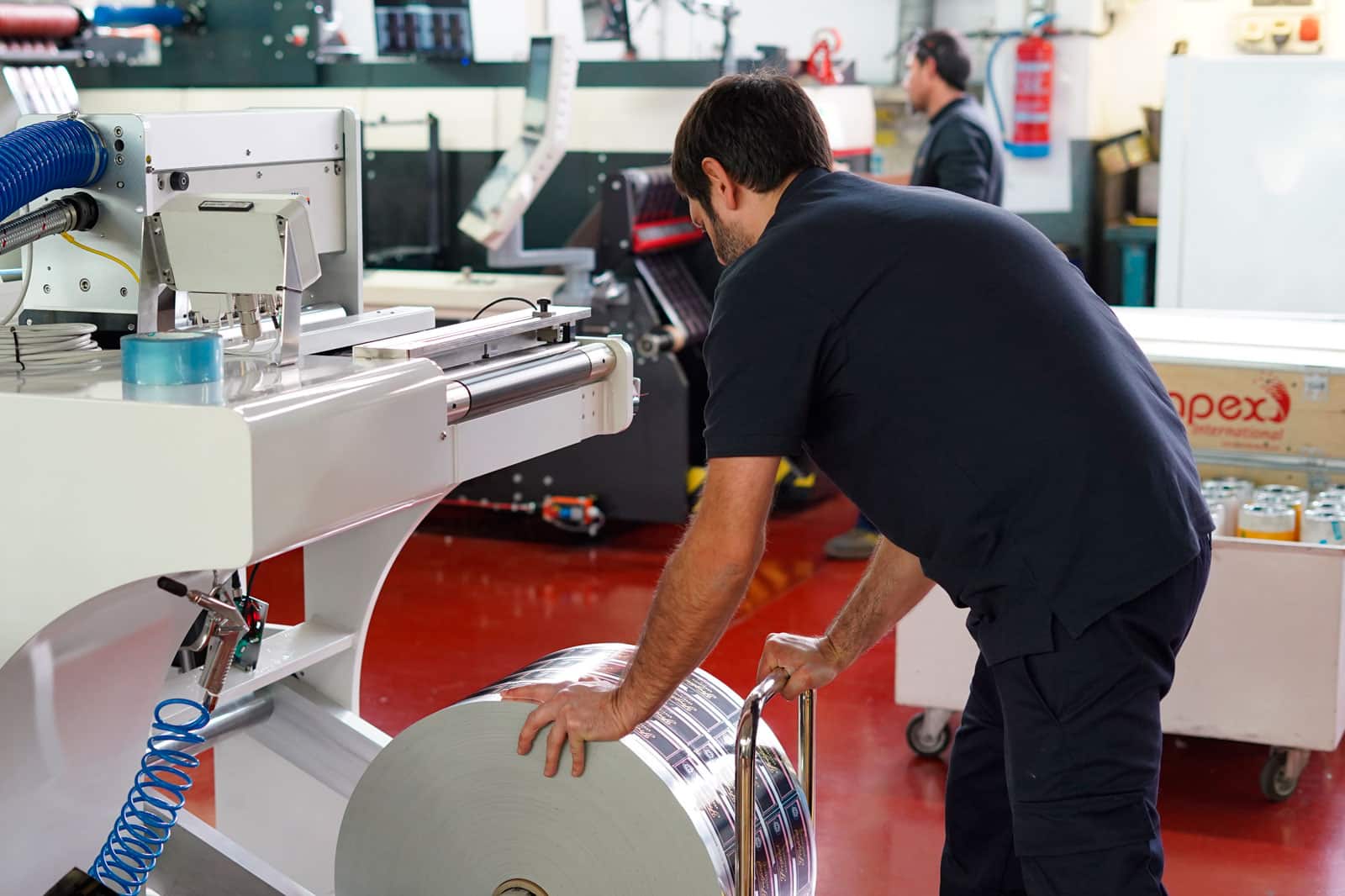
Miguel Ángel Torroba, director of Argraf in Catalonia and director of Strategy and Transformation, points to two fundamental pillars of growth: a constant commitment to the most advanced technology and the craftsmanship of the people who operate the machines. Argraf has historically invested in research, visiting trade fairs and learning first-hand about the latest technological solutions to bring them to its production plants.
The other major pillar is ‘the hands’: machinists and specialised teams capable of handling runs ranging from millions of labels to very short series, maintaining a very high level of finish and precision. In a business where labels are embellished and filled with nuances, the team’s judgement and experience are decisive in ensuring that each design looks perfect on the bottle or container.
The wine label as a work of art
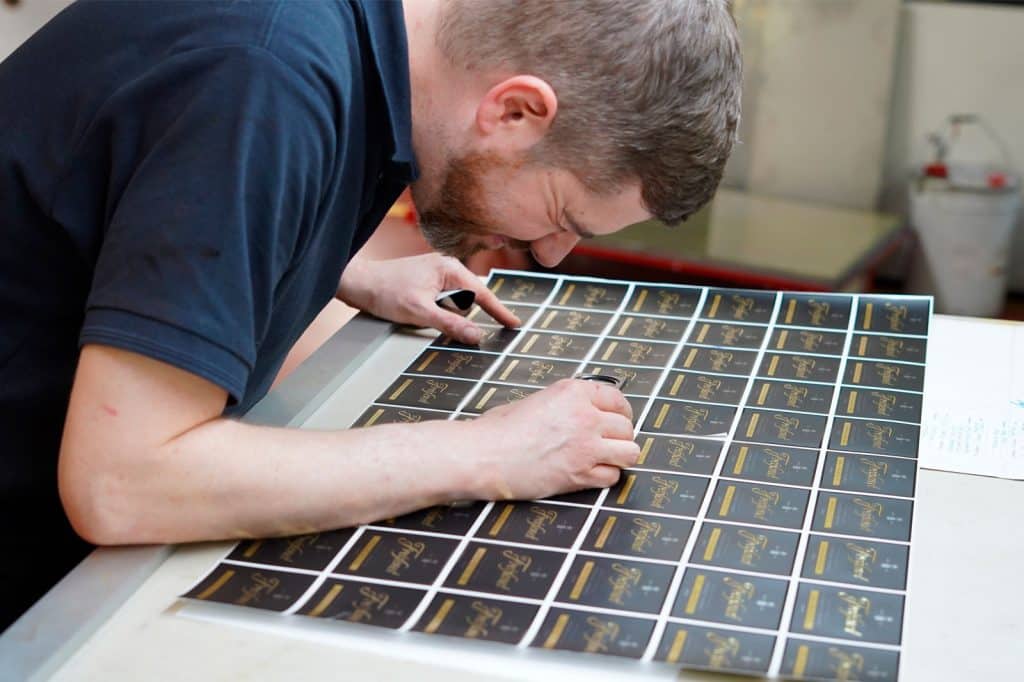
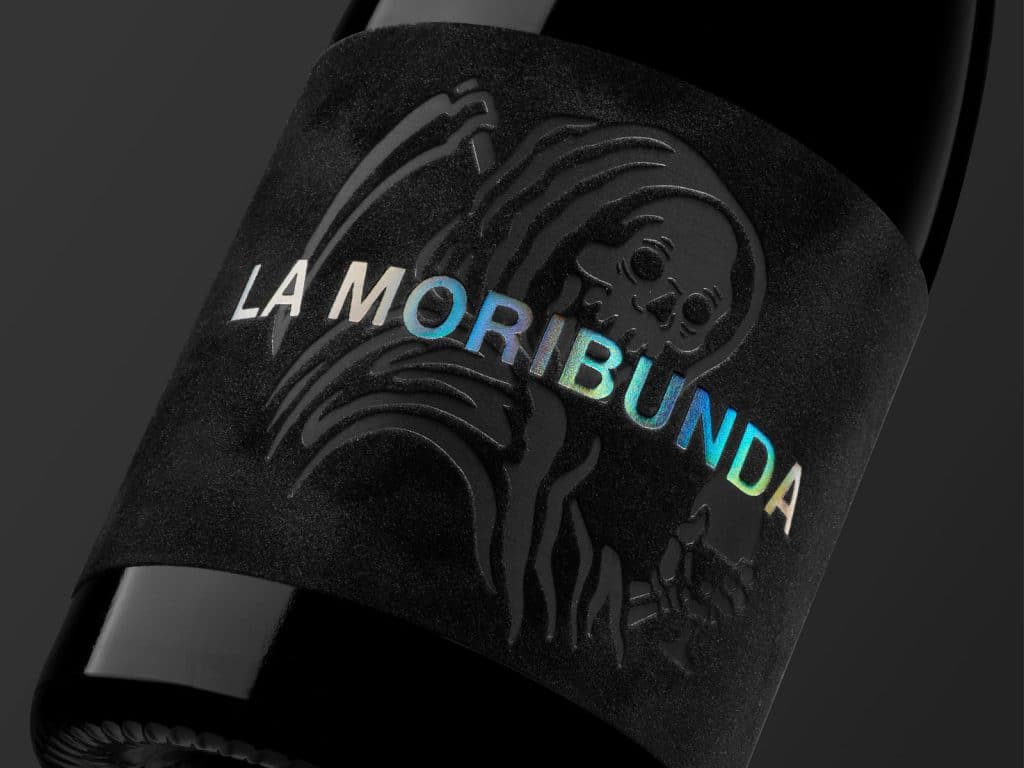
During the conversation, Torroba emphasises that Argraf has always been ‘one step ahead’ in terms of finishes and embellishment, especially when it comes to wine labels. The company has worked closely with both material manufacturers and designers, always searching for new papers, textures and resources that allow them to create more beautiful and artistic labels.
This close collaboration with design studios and wineries, first with in-house designers and now with external creatives, ensures that the designer’s vision can be brought to life on the machine without losing any of its graphic richness or visual impact. The result is labels that not only inform, but also tell stories, convey brand identity and turn the bottle into an object that you want to pick up.
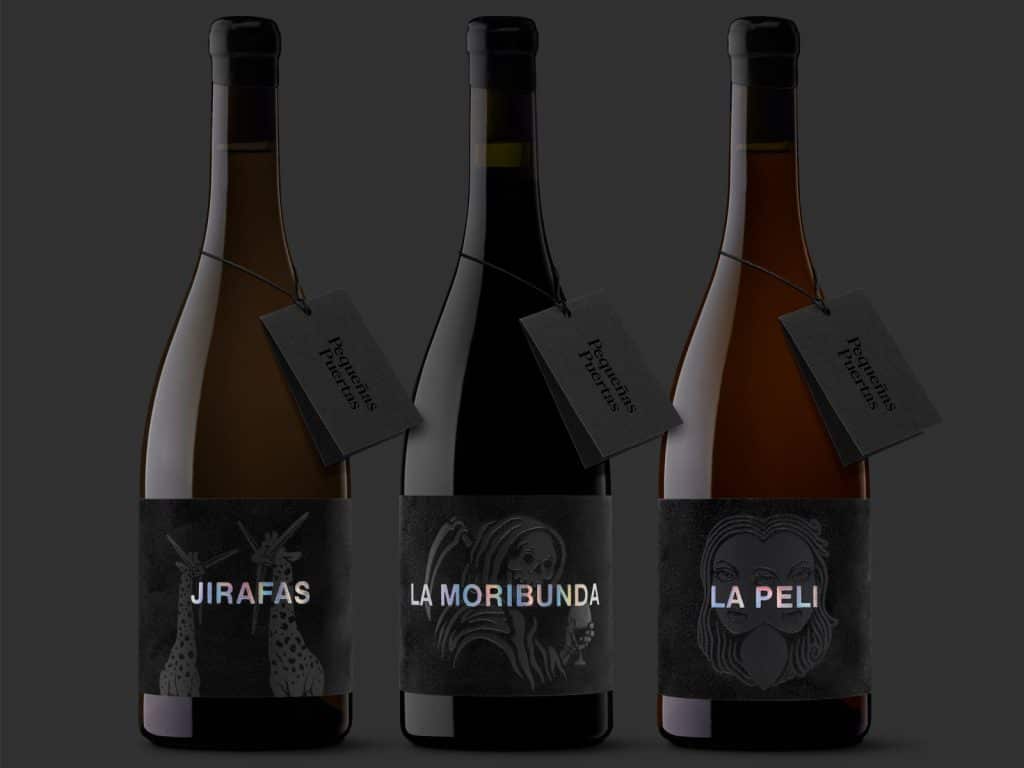
Moruba: translating wine culture into design
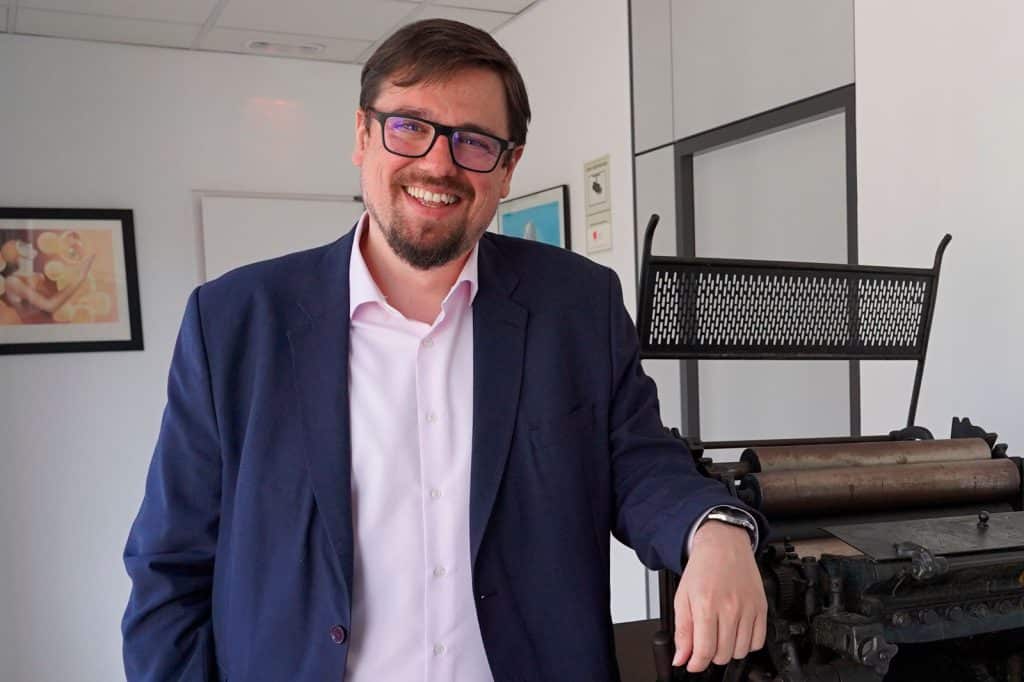
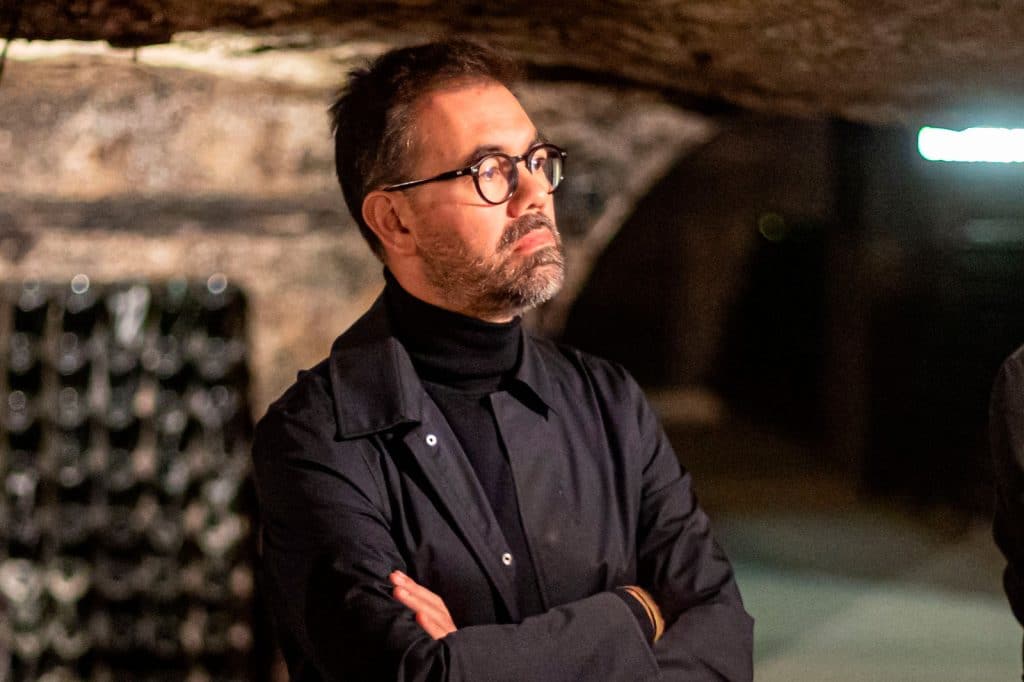
The programme also features Javier Euba, co-founder and creative director of Moruba, one of the design studios that Grupo Argraf works with. Euba explains that his job is to translate the concerns and work of winegrowers and winemakers into the language of packaging, transforming ideas and approaches into a visual universe that allows wine to be sold, remembered and chosen again in the future.
Moruba, which specialises in beverage labels—mainly wine, but also beer—emphasises that wine is part of the culture and tradition of La Rioja and Spain, something that the team itself experiences with passion both when consuming it and when designing it. This sensitivity is reflected in labels that express the territory, the personality of the project and the positioning of each winery in a very diverse market, ranging from small producers to large groups.
Briefing, clear objectives and teamwork
One of the most interesting points in the interview is Moruba’s reflection on the relationship with the client. Although the ‘blank page’ may seem attractive, Javier Euba warns that absolute freedom can be a double-edged sword if there is no clear objective or well-defined expectations.
To achieve good results, the ideal situation is for the winery or brand to be clear about what they want and need, and to be able to convey this in a solid briefing: the more complete the information, the easier it is to guide creativity towards an effective result. From there, the studio provides graphic solutions and, together with a specialised printer such as Argraf, ensures that the idea is materialised in a technically flawless label that is consistent with the brand strategy.
The label as an ambassador for Marca España
The interview frames all this work within the culture of image and the power of Spanish wine as an ambassador for the country around the world. Every well-designed and printed label becomes a key point of contact between the consumer and the brand, as well as an element that projects Marca España onto international markets.
Thanks to the combination of high-level graphic industry, creative talent and in-depth knowledge of wine and food, companies such as Grupo Argraf and studios such as Moruba contribute to millions of Spanish bottles and containers reaching the market with a solid, recognisable and competitive presence. This combination of technology, craftsmanship and design makes food labelling a strategic tool for differentiating products, building brand value and reinforcing the prestige of the Spanish agri-food sector on a global scale.